
Nutrition That Supports Healthy Flocks and Consistent Eggs
Chicken feed options in Center Point for backyard flocks, laying hens, chicks, and poultry at every stage
A three-week-old chick fed layer ration designed for adult hens receives excessive calcium that stresses developing kidneys, while laying hens on generic scratch grain produce thin-shelled eggs and declining production as their bodies deplete stored nutrients. Interstate Grain Services offers chicken feed options in Center Point formulated for different ages and production stages, from chick starter feed that supports early growth and development through layer feed designed to maintain consistent egg production and strong shell quality. The feed you select changes as your birds move through growth, maturation, and laying cycles.
Chick and starter feeds provide the higher protein percentages young birds need to build muscle and skeletal structure during rapid early growth, typically ranging from 18 to 20 percent protein with vitamins and minerals balanced for development rather than egg production. Layer feeds shift the nutritional profile toward the calcium, phosphorus, and protein ratios adult hens require to produce eggs with hard shells and maintain body condition during consistent laying, usually around 16 percent protein with added calcium from oyster shell or limestone.
Request a feed recommendation based on your flock's current age and production stage.
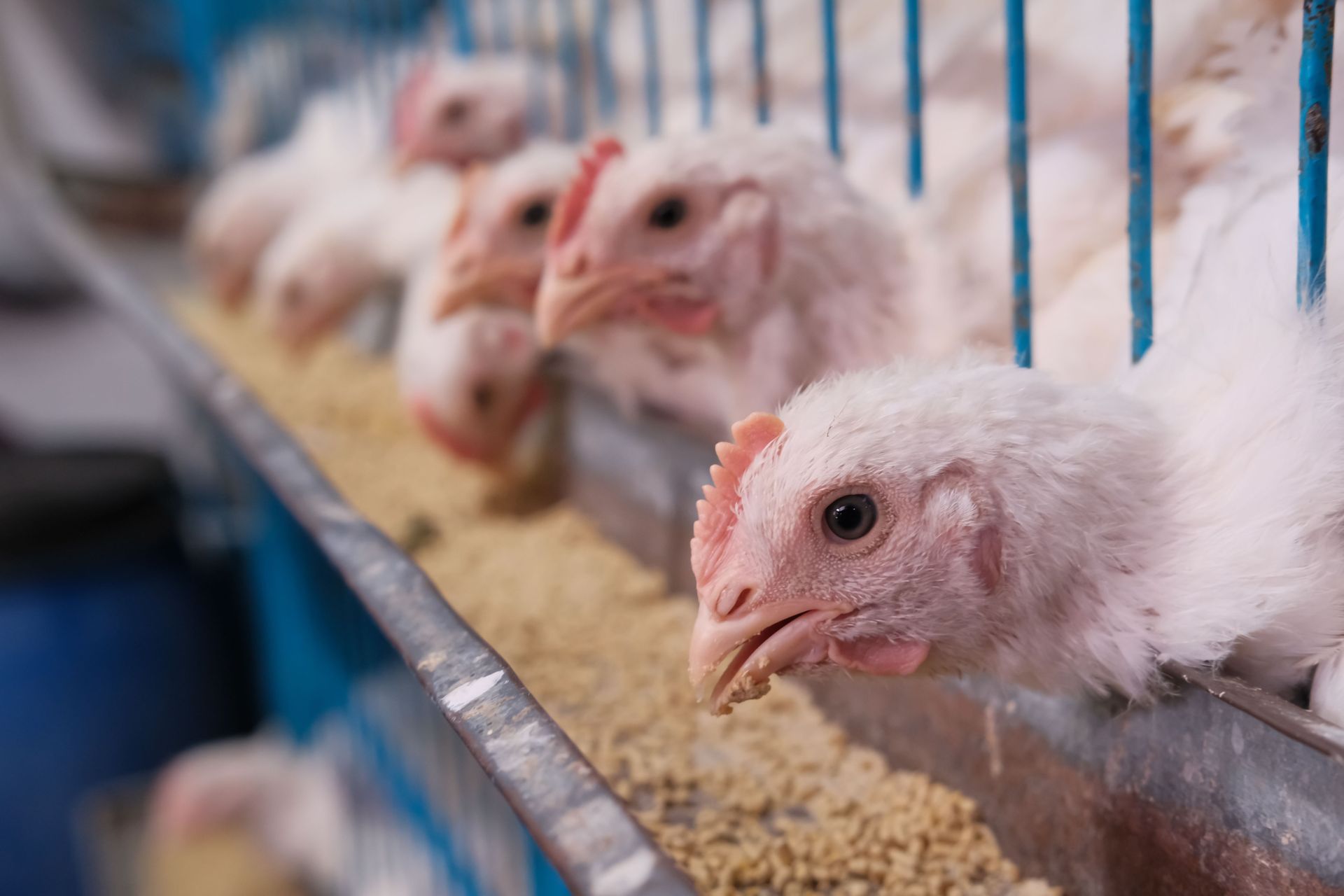
What Proper Nutrition Produces in Laying Hens
Balanced poultry nutrition provides the protein, vitamins, and minerals chickens need to maintain feather condition, immune function, and reproductive health alongside egg production, rather than pulling stored nutrients from bone and muscle to form eggs. Feed formulated for layers includes the calcium necessary to build strong eggshells daily without depleting the hen's skeletal calcium reserves, which over time would lead to brittle bones and declining production.
You'll notice stronger eggshells that resist cracking during collection, more consistent laying patterns, and healthier hens with full feathering and good body condition when the ration matches the flock's production demands. Hens underfed or given nutritionally incomplete feed often show reduced egg size, thinner shells, molting outside normal seasonal patterns, and eventual production drops as their bodies conserve resources.
Feed options work for customers raising small backyard flocks of a few hens as well as larger groups managing higher volumes of poultry, with bagged feed available in sizes that match consumption rates and storage capacity. Proper storage in dry conditions away from rodents and moisture extends feed freshness and prevents mold growth that reduces palatability and nutritional value.
Answers to Frequent Poultry Feeding Questions
Backyard flock owners in Center Point commonly ask about matching feed to their birds' needs as chicks grow and hens begin laying.
When do I switch from chick starter to layer feed?
Pullets typically transition to layer feed around 16 to 18 weeks of age, just before or as they begin laying their first eggs, ensuring calcium levels support shell production without stressing young birds still finishing growth.
What happens if laying hens don't get enough calcium?
Hens will initially pull calcium from their bones to form eggshells, leading to thin or soft shells, reduced laying, and eventually skeletal weakness and health problems as bone density declines.
How does protein percentage affect egg production and flock health?
Layer feeds with 16 to 18 percent protein support consistent egg production and feather maintenance, while lower protein levels often result in smaller eggs, slower feathering after molts, and declining production over time.
Can I feed the same ration to mixed-age flocks?
Mixed flocks benefit from feeding grower or all-flock formulations with moderate protein and calcium levels, supplemented with free-choice oyster shell so laying hens can consume additional calcium as needed without overloading younger birds.
Why does fresh feed matter for poultry health?
Feed loses nutritional potency over time as vitamins degrade, and old or improperly stored feed develops mold and rancid fats that reduce consumption and can cause illness, making rotation and proper storage essential.
Interstate Grain Services provides bagged chicken feed and related poultry products from a local agricultural supplier with established experience in farm and livestock nutrition. Visit with details about your flock size and current stage to determine which feed option fits your birds' requirements.