
Nutrition That Supports Every Growth Stage
Swine Feed Products in Center Point for commercial and small-scale producers managing piglets through finishing
Swine operations require feed formulas that change as pigs move from starter rations to grower and finisher phases, with different protein requirements, amino acid profiles, and energy levels at each stage. You also need options for breeding stock and show animals that have distinct nutritional needs compared to market hogs. Interstate Grain Service offers swine feed from respected manufacturers, along with specialty supplements and minerals designed to promote healthy growth and efficient feed conversion across all production stages.
Personalized feed recommendations give you greater flexibility than purchasing generic formulas from large retail chains that may not account for your operation's size, genetics, or production timeline. Staff can help you select feeds based on growth stage, target market weights, and whether you're raising pigs for commercial sale or exhibition.
Visit the retail location to review swine feed options and compare nutritional information across products designed for different production goals.
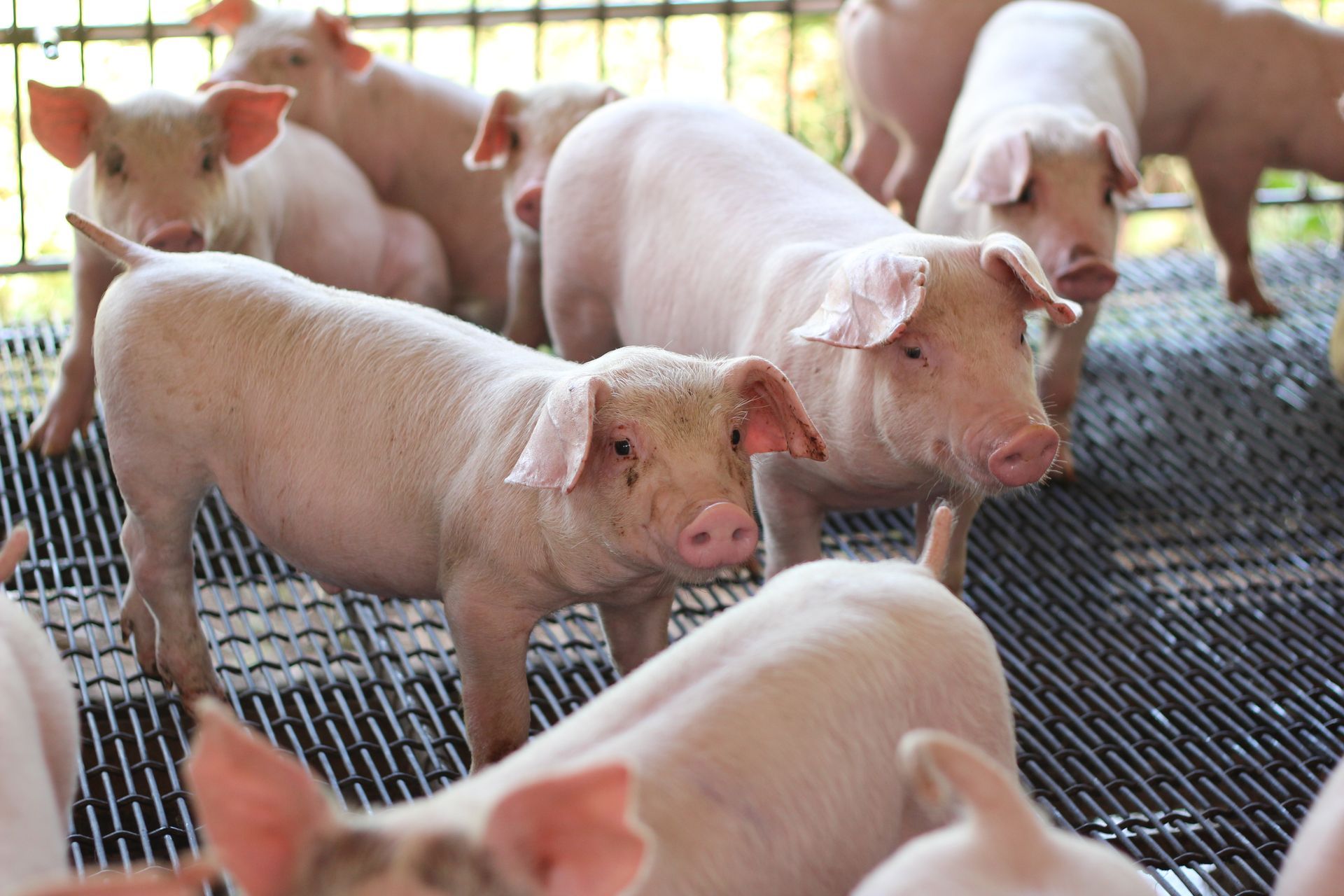
Selecting Feed Based on Growth Stage and Goals
Piglets transitioning off milk replacer need starter feeds with highly digestible protein sources and smaller pellet sizes that encourage early feed intake without digestive upset. As pigs grow into the grower phase, protein levels decrease slightly while energy density increases to support rapid weight gain. Finisher rations shift the balance again to optimize feed efficiency and meat quality as pigs approach market weight.
When you match feed formulas to each stage accurately, you see faster growth rates, better feed conversion ratios, and fewer health issues related to nutritional imbalances or digestive stress. Those improvements show up in reduced days to market, lower feed costs per pound of gain, and more uniform pen weights at sale time.
The retail location stocks specialty products for breeding stock that require different nutrient profiles to support reproductive performance and body condition maintenance between litters. Show animal feeds are also available for producers preparing pigs for exhibition, with formulas that promote muscle development and finish without excessive fat deposition.
Answers to Frequent Swine Feeding Questions
Producers raising pigs for market or show often ask about feed transitions, nutritional requirements, and how to choose products that support their operation's specific goals.
How do I know when to switch from starter to grower feed?
Pigs typically transition to grower feed around 50 pounds, though the exact timing depends on feed intake levels, growth rate, and whether pigs are adapting well to solid feed without digestive issues.
What nutritional information matters most when comparing swine feeds?
Protein percentage, lysine levels, energy density, and pellet size all affect growth performance, so compare these values across products to match your pigs' current stage and genetic potential.
Why do breeding pigs need different feed than market hogs?
Breeding stock require nutrients that support reproductive health, body condition maintenance, and milk production rather than rapid weight gain, so their rations emphasize different vitamin and mineral profiles.
When should I add supplements to a swine feeding program?
If pigs show slow growth despite adequate feed intake, poor coat quality, or reproductive issues in breeding stock, targeted supplements addressing specific mineral or vitamin deficiencies often improve performance.
How does local availability of quality feed affect my operation?
Reliable access to properly formulated feed in Center Point means you avoid last-minute substitutions or formula changes that disrupt growth rates and feed efficiency during critical production periods.
Interstate Grain Service stocks swine feed products with the nutritional consistency and local support that both commercial and small-scale producers depend on. Stop by to review feed options and get recommendations tailored to your pigs' current stage and production goals.