
Feed Formulated for Flock Production Cycles
Sheep & Lamb Feed Products in Cedar Rapids for lambs, breeding ewes, and growing flocks
Managing a healthy flock requires feed formulated for specific stages of growth, reproduction, and production rather than generic ruminant nutrition. Interstate Grain Service carries sheep and lamb feed products in Cedar Rapids with documented protein levels, mineral content, and feeding recommendations designed for lambs gaining market weight, ewes preparing for breeding season, and growing flocks with varied nutritional demands. The difference between adequate nutrition and optimized feeding shows up in lamb growth rates, ewe body condition during gestation, and overall flock health through seasonal transitions.
Sheep producers face distinct nutritional challenges depending on whether they're finishing lambs for market, maintaining breeding stock, or managing ewes through late gestation and lactation when nutrient demands peak. Products available here include detailed analysis tags showing crude protein percentages, calcium and phosphorus ratios, and trace mineral inclusion rates, allowing you to select feed based on actual nutritional composition rather than brand familiarity alone. Lambs require different energy and protein ratios than mature ewes, and ewes carrying twins need higher nutrient density than those with single lambs.
Schedule a visit to discuss your flock's current production stage and review feed options with staff familiar with sheep nutrition throughout breeding and growth cycles.
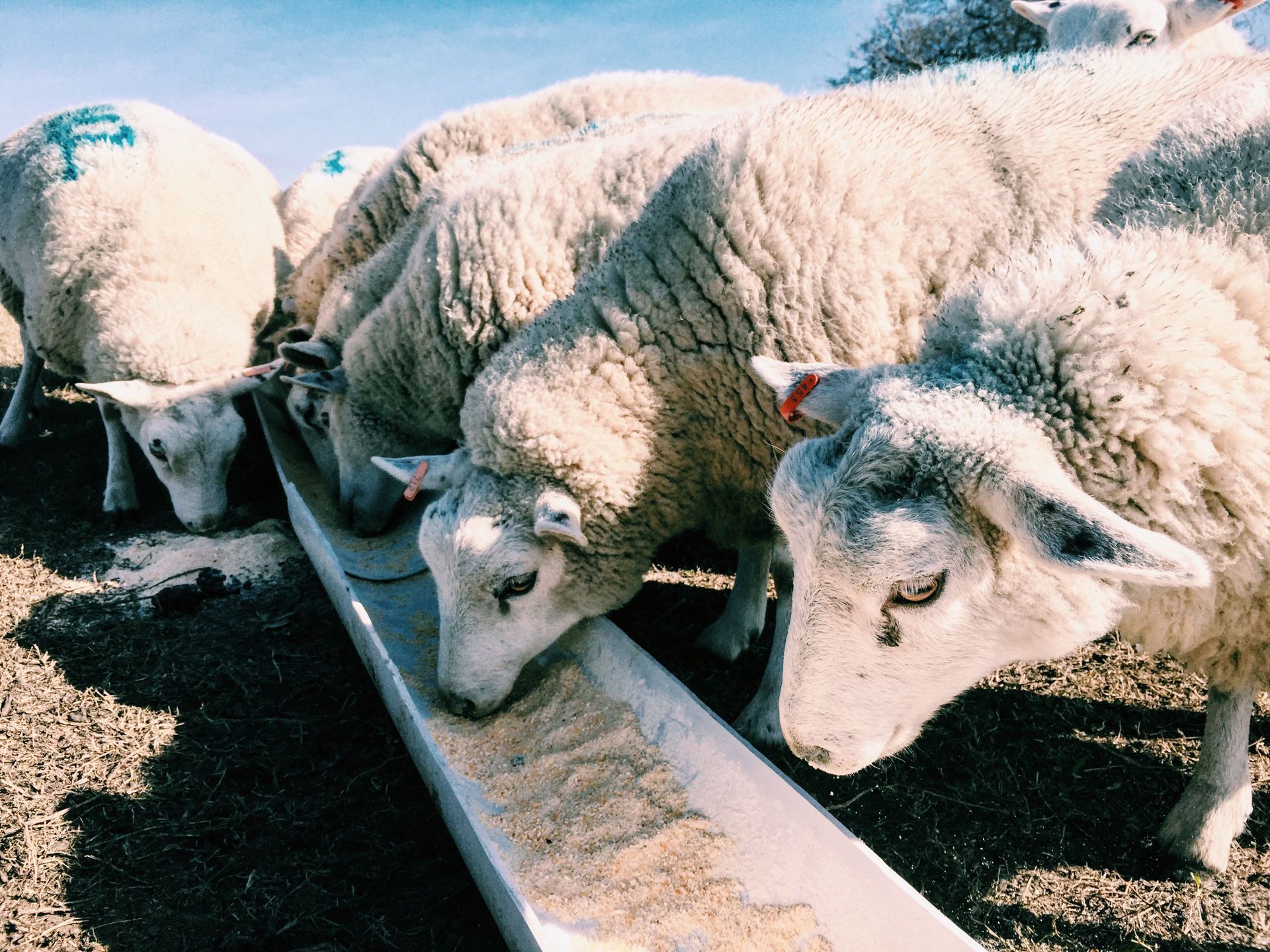
How Sheep Feed Addresses Flock Health Needs
Proper sheep feed includes balanced minerals such as copper, selenium, and zinc at levels appropriate for ovine metabolism, which differs significantly from cattle requirements. The brands stocked by Interstate Grain Service are selected for consistent formulation and quality control, with options for creep feeding lambs, flushing ewes before breeding, and supporting lactation demands. You'll also find complementary products including loose minerals, supplements for specific deficiencies, and specialty nutrition solutions that address individual flock needs beyond base feed rations.
When you provide feed matched to production stage, you typically notice improved lamb weaning weights, better ewe body condition scores entering breeding season, and reduced metabolic issues during late gestation. Lambs on properly formulated creep feed reach market weight faster with better carcass quality, while ewes receiving adequate nutrition during flushing often show improved conception rates. Producers who adjust feed formulations seasonally rather than feeding a single product year-round generally see more consistent flock performance and fewer health interventions.
Staff can explain when higher protein content benefits growing lambs versus when excess protein simply increases feed cost without corresponding production gains. They also help producers evaluate mineral supplementation needs based on local forage quality and water mineral content, factors that vary across farms in the Cedar Rapids area and directly affect whether additional supplementation prevents deficiencies or creates imbalances.
Common Questions About Flock Nutrition
Selecting sheep feed involves understanding how nutritional requirements shift through production cycles and how feed quality affects flock outcomes. These answers address practical considerations producers face when managing sheep and lamb nutrition.
What protein level should I feed growing lambs?
Most growing lambs perform well on feed containing 14 to 18 percent crude protein, with higher levels appropriate for rapidly growing market lambs and lower percentages sufficient for replacement ewe lambs gaining at moderate rates.
How does ewe nutrition before breeding affect conception rates?
Flushing ewes with increased energy and protein two to three weeks before breeding and through the first breeding cycle often improves ovulation rates and conception percentages, particularly in ewes coming off summer forage with lower body condition.
When should I start creep feeding lambs?
Creep feeding typically begins when lambs reach two to three weeks of age, providing supplemental nutrition that supports faster growth rates and prepares their rumen for post-weaning diets while reducing stress on lactating ewes.
Why do sheep need different mineral ratios than cattle?
Sheep are highly sensitive to copper toxicity and require mineral formulations with controlled copper levels, typically one-tenth the concentration safe for cattle, making it critical to use sheep-specific mineral products rather than general livestock supplements.
Are specialty nutrition products available in Cedar Rapids for flock health challenges?
Interstate Grain Service stocks supplements and specialty feeds that address specific issues such as late-gestation energy demands, lactation support for ewes with twins, and targeted mineral supplementation based on forage quality common in Iowa production systems.
Producers throughout Cedar Rapids, Marion, Hiawatha, and surrounding areas rely on Interstate Grain Service for sheep and lamb feed products backed by knowledgeable guidance. Visit the store to compare feed formulations and discuss nutrition strategies that match your flock's production schedule and goals.